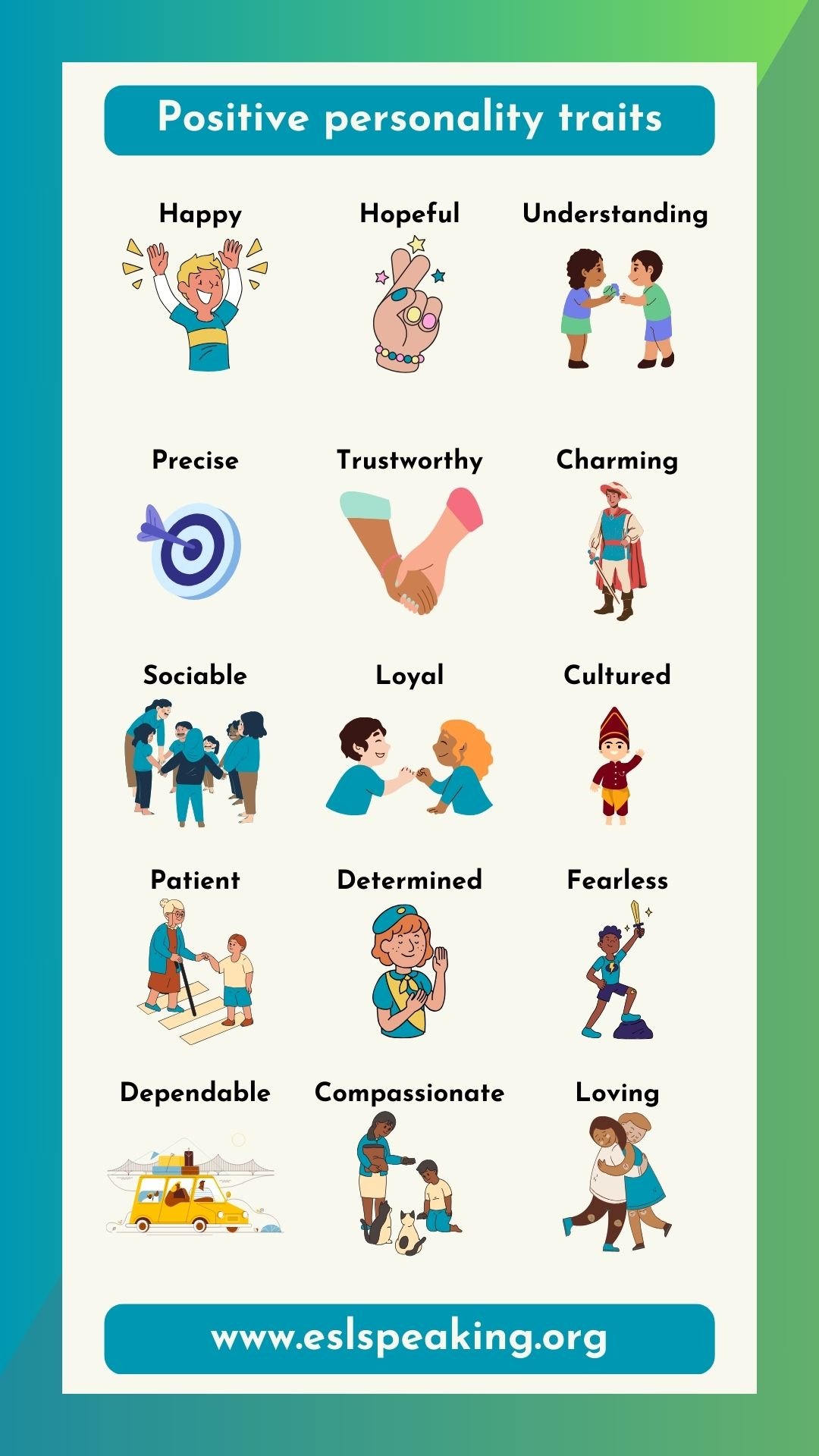
Ever wondered why some people leap headfirst into the unknown while others meticulously plan every step? Or why certain individuals always seem to put others first, even at their own expense? It all comes down to Key Character Traits & Motivations, the invisible forces that shape our personalities, steer our decisions, and ultimately chart the course of our lives. These aren't just buzzwords; they're the foundational elements of who we are, influencing everything from how we react to a challenging email to the grand aspirations we chase.
Understanding these intrinsic qualities isn't just for psychologists or novelists; it's a powerful tool for self-awareness, improved relationships, and navigating the complexities of the world around us. Let's peel back the layers and discover what truly makes us—and others—tick.
At a Glance: Understanding Character's Core
- Character traits are your inherent mental and moral qualities—your personality's blueprint.
- They are generally stable but can evolve with experience and deliberate effort.
- Motivations are the internal drives behind your actions, whether positive (like altruism) or negative (like greed).
- Your approach to risk, overall disposition, type of intelligence, personal values, and self-control all contribute to your unique character.
- Knowing these elements helps you understand yourself better, improve your interactions, and drive personal growth.
What Exactly Are We Talking About? The Foundation of Who We Are
At its core, a character trait is a distinguishing quality or characteristic, typically one belonging to a person. Think of it as a persistent pattern of thinking, feeling, and behaving. These aren't fleeting moods; they're more like the deep-seated grooves in our mental and emotional landscape. They encompass your temperament, your habits, and even the way your mind processes information.
While some might think character is fixed, research tells us a more nuanced story. These traits, while stable over time, are far from immutable. They can shift, grow, and transform, particularly in response to significant life experiences or through intentional self-development. This capacity for change is precisely what makes understanding them so empowering.
Hand-in-hand with traits are motivations. If traits are the engine, motivations are the fuel. They are the internal forces that propel us toward goals, away from threats, or simply through our day-to-day lives. Motivations range from basic needs like survival and security to complex desires like self-actualization and contribution. Together, traits and motivations form the dynamic duo that defines our individual human experience.
The Six Pillars of Personality: A Deeper Dive into Traits
To truly grasp the intricate tapestry of human character, it helps to break it down into key categories. Each of these pillars represents a crucial facet of our being, shaping our interactions and influencing our life's trajectory.
The Engines Within: Motivation
Motivation is the sheer drive to do things, the "why" behind every action, decision, and aspiration. It's what gets you out of bed in the morning, fuels your ambition, or inspires a moment of compassion. This drive isn't always positive; it can also stem from darker impulses.
- On the Positive Spectrum: Think of an Altruistic person who dedicates their life to helping others, driven by Selflessness. An Energetic and Enthusiastic individual might be Passionate about their work, pursuing goals with fierce determination. A Curious mind, motivated by a desire for knowledge, constantly seeks to learn and explore.
- On the Challenging Side: We see Greedy individuals driven solely by accumulation, or those experiencing Angst and Anxious feelings that hinder action. Someone who is Malevolent might be motivated by a desire to harm, while an Unmotivated person struggles to find any internal drive, leading to Lazy tendencies. Then there's the modern phenomenon of Fear of Missing Out (FOMO), a powerful social motivator.
Understanding what motivates you—and what truly drives others—is like having a secret decoder ring for human behavior. Is someone being Persistent because they genuinely believe in their goal, or because they are driven by a need for control? The answer changes everything.
Navigating the Unknown: Risk
Life is a series of choices, many of which involve uncertainty. Our approach to risk—the potential for both losses and gains—is a fundamental character trait. It reveals how we value stability, safety, and security, and how we cope with the unpredictable.
- The Bold & The Brave: A Brave or Enterprising individual might embrace challenges, seeing opportunities where others see only danger. They might be Optimistic and Hopeful, believing in positive outcomes, or even Reckless, taking unnecessary chances. These individuals often exhibit a Risk Taking attitude, propelling innovation and exploration.
- The Cautious & The Conservative: On the other end, a Conservative or Prudent person values stability above all. They are Risk Avoiding, meticulously planning to minimize potential losses. A Cowardly individual might shy away from any perceived threat, while someone prone to being Panicky reacts poorly under pressure. Being Practical and Realistic can be a strength, ensuring grounded decisions, but an extreme aversion to risk can lead to Mediocrity, preventing growth.
Your personal risk profile profoundly impacts your career choices, financial decisions, and even your social interactions. Do you gravitate towards the secure path or the exhilarating unknown?
Your Default Setting: Disposition
Disposition is your general attitude towards life and the overall atmosphere you carry with you. It's your default setting, the lens through which you often view the world and how you typically present yourself to it. This trait deeply influences your relationships and social dynamics.
- The Social & The Warm: An Extroverted and Outgoing person thrives in social settings, often described as Communicative and Friendly. They might be Playful, Generous, or Personable, exuding warmth and openness. An Empathetic individual naturally connects with others' feelings, while a Kind and Tolerant person fosters harmony.
- The Reserved & The Critical: Conversely, an Introverted or Reserved individual might prefer solitude and introspection. Someone Aloof or Cold might keep others at a distance, while a Hostile or Disagreeable disposition can create conflict. Traits like being Judgmental, Conceited, or Supercilious speak to a critical, often self-inflated, outlook. Passive Aggressive behavior, Envious feelings, or being Resentful are also dispositions that subtly—or not so subtly—shape interactions.
Your disposition colors every encounter. Are you generally Accepting or Closed-minded? Do you lean towards Candid honesty or a more Secretive nature? These elements fundamentally alter how you experience and contribute to the world.
The Inner Compass: Intelligence & Thought Patterns
Intelligence isn't just about IQ scores; it's your capacity for thinking, learning, and adapting, as well as your tendency to rely on specific modes of thought. It encompasses how you solve problems, perceive the world, and express your understanding.
- Diverse Intelligences: Beyond traditional Logic and Numeracy, we recognize Emotional Intelligence (understanding and managing emotions), Social Intelligence (navigating complex social situations), and Kinesthetic Intelligence (body awareness and physical skill). There’s Artistic and Musical Intelligence, too, reflecting creative capacities.
- Modes of Thought: Some minds naturally lean towards Critical Thinking, dissecting information for flaws. Others excel in Creativity and Imagination, envisioning new possibilities. Rational Thinking seeks objective truth, while Intuition relies on gut feelings and subconscious pattern recognition. We also grapple with inherent Biases or fall into One-sided Thinking, limiting our perspective. A person skilled in Wit uses quick, intelligent humor to engage and persuade.
Understanding your dominant intelligence types and preferred thought patterns can unlock your potential and highlight areas for growth. It also explains why different people approach the same problem from vastly different angles.
Your Moral Blueprint: Values
Values are the deeply held principles of right and wrong that guide your life. They define what you consider important, meaningful, and ethical. A lack of clear values can also be a significant character trait, leading to inconsistency or a struggle with moral dilemmas.
- Guiding Principles: A person who prioritizes Honesty will likely tell the truth even when it's difficult. Someone driven by Justice will fight for fairness, while an individual valuing Compassion will show empathy and care. Other core values include Loyalty, Respect, Freedom, Peace, and Sustainability.
- The Impact of Values: Values dictate our choices, shape our judgments, and inform our worldview. They can motivate acts of Philanthropy (driven by a value for societal well-being) or acts of Forgiveness. A strong belief in Civility promotes respectful interactions, while valuing Faith can provide profound meaning and direction. Conversely, a lack of defined values might manifest as Selfish behavior or an inability to make consistent moral decisions.
Your values are your internal compass. They explain why certain issues ignite your passion and why you might take a stand when others remain silent. They are the bedrock of your personal integrity.
Steering the Ship: Self-Control
Self-control is the ability to regulate your impulses, manage your emotions, and align your behavior with your goals and personal values. It's the inner discipline that helps you stay on course, even when faced with distractions or temptations.
- The Disciplined & Diligent: A Disciplined person exhibits a strong Work-Ethic, showing Diligence and Persistence in their tasks. They are often Calculated, Composed, and Patient, capable of delaying gratification for long-term rewards. Traits like being Responsible, Reliable, and Trustworthy stem directly from a well-developed sense of self-control. They are Resilient in the face of setbacks, demonstrating Self-Direction and striving for Self-Fulfillment.
- The Impulsive & Careless: On the other side, an Impulsive individual might act on every whim, often regretting decisions later. Careless or Irresponsible behavior indicates a lack of regulation, while Undisciplined tendencies can lead to missed opportunities. Someone who is Impatient struggles with waiting, and Self-Indulgent acts prioritize immediate gratification over long-term well-being. Extreme forms can lead to Obsessive behaviors or a feeling of being Feeble in the face of temptation.
Self-control isn't about rigid repression; it's about intentional choice. It’s the muscle that allows you to transform intentions into actions, paving the way for achievement and personal growth.
Why Do These Traits & Motivations Matter? The Ripple Effect
Understanding these character traits and motivations isn't merely an academic exercise; it's profoundly practical. They are the hidden architecture behind human behavior, influencing every facet of life:
- Decision-Making: Your risk tolerance, values, and motivations dictate your choices—from career paths to relationships to financial investments. A Prudent individual makes very different investment choices than a Reckless one.
- Relationships: Your disposition (e.g., Empathetic vs. Aloof), communication style, and values deeply impact how you connect with others, resolve conflicts, and build lasting bonds.
- Career & Success: Traits like Industriousness, Ambition, Persistence, and Self-Control are clear drivers of professional achievement. Your preferred mode of Intelligence (e.g., Critical Thinking vs. Creativity) influences the roles where you naturally excel.
- Personal Well-being: Traits such as Optimism, Resilience, and a sense of Contentment contribute significantly to mental health and happiness. Conversely, Anxious or Melodramatic dispositions can lead to chronic stress.
- Reactions to Stress & Failure: How you respond to setbacks—with Hope or Pessimism, Resilience or Panicky reactions—is a direct reflection of your character.
These traits and motivations are not just descriptors; they are predictors and shapers of our destinies.
Unpacking the "Why": The Roots of Our Traits
So, where do these defining qualities come from? It's a complex interplay, often simplified as "nature versus nurture," but the reality is far more intricate.
- Nature's Blueprint: We are born with certain predispositions—temperaments, genetic tendencies that might make us more prone to being Introverted or Energetic, for example. Early brain development also plays a significant role in shaping cognitive capacities.
- Nurture's Hand: Our environment, upbringing, family dynamics, cultural background, and life experiences profoundly shape our character. A childhood filled with consistent encouragement might foster Confidence and Optimism, while one marked by insecurity could lead to Anxious or Insecure traits.
- Critical Experiences: Pivotal moments—a major success, a profound loss, a challenging mentor—can act as catalysts, solidifying certain traits or prompting a re-evaluation of values and motivations.
It's never one or the other. Our character is a constantly evolving dialogue between our innate wiring and the myriad influences of our world.
Can Character Traits Really Change? (And How)
Perhaps the most empowering truth about character traits is that they are not set in stone. While some traits might be more deeply ingrained, significant change is absolutely possible. This concept, known as personality plasticity, offers a roadmap for personal growth.
Think about it: how many people do you know who were once Impulsive but learned to be more Patient? Or someone who was initially Unmotivated but discovered a new Passion? Change isn't easy, but it's a fundamental human capacity.
Here’s how you can cultivate positive change:
- Self-Awareness is Step One: You can't change what you don't acknowledge. Start by honestly assessing your own traits and motivations. What drives you? Where do you struggle with Self-Control? How do you react to Risk? Journaling, honest reflection, and even seeking feedback from trusted friends can be invaluable.
- Set Clear Intentions: Identify specific traits you want to strengthen (e.g., becoming more Assertive) or diminish (e.g., reducing Pessimism). Make these intentions clear and measurable.
- Practice, Practice, Practice: Change rarely happens overnight. If you want to be more Disciplined, start by consistently practicing small acts of discipline. If you want to be more Empathetic, actively listen and try to understand others' perspectives. New behaviors create new neural pathways, gradually solidifying new traits.
- Seek New Experiences: Stepping out of your comfort zone can force new adaptations. Traveling, taking on a new challenge, or engaging with diverse cultures can broaden your perspective and challenge old thought patterns.
- Learn and Grow: Read books, take courses, or seek mentorship. Expanding your knowledge base, especially around emotional intelligence and self-regulation, provides tools for transformation.
Change is a journey, not a destination. It requires patience, self-compassion, and a consistent commitment to growth.
Practical Applications: Using This Knowledge
So, now that we've dissected the anatomy of character, how can you put this knowledge to work in your everyday life? This understanding isn't just for contemplation; it's a powerful lever for action.
For Deeper Self-Understanding
Start with yourself. Understanding your own dominant traits and motivations provides profound clarity.
- Identify Your Core Drivers: What truly motivates you? Is it Ambition, Altruism, a desire for Peace, or a fear of Mediocrity? Knowing this helps you align your life choices with what genuinely fulfills you, rather than blindly following external expectations.
- Recognize Your Patterns: Do you tend to be Risk Avoiding or Reckless? Are you prone to One-sided Thinking or open to Critical Thinking? Recognizing these patterns helps you anticipate your reactions and make more conscious choices.
- Leverage Your Strengths: If you're naturally Resourceful and Creative, seek roles or hobbies that tap into those strengths. If you possess high Emotional Intelligence, you'll likely thrive in people-oriented roles.
- Address Your Growth Areas: If Impatience is a consistent hurdle, you can develop strategies to cultivate more Patience. If a lack of Self-Control leads to impulsive decisions, you can practice techniques to strengthen that muscle.
Exploring the nuances of personality, like understanding All about Jane Porter, offers a practical lens through which to examine and appreciate the complexity of human behavior.
For Understanding Others & Improving Relationships
This knowledge is a superpower for navigating social landscapes.
- Cultivate Empathy: When you recognize someone's Anxious disposition or their Motivation for security, you can approach them with more understanding and less judgment. It helps you see beyond surface behavior to the underlying traits.
- Improve Communication: Knowing someone’s preferred mode of Intelligence or their typical Disposition can inform how you communicate with them. You might use more Logic with a Rational Thinking colleague or focus on emotional resonance with an Empathetic friend.
- Resolve Conflict: Many conflicts arise from misunderstandings of underlying motivations or clashing values. Recognizing that a colleague's Controlling nature stems from a Fearful disposition might help you de-escalate rather than confront.
- Build Stronger Teams: In a professional setting, understanding the Risk tolerance, Motivation, and Self-Control of team members allows leaders to delegate effectively, build balanced teams, and foster a productive environment.
Common Questions & Misconceptions About Character
Let's address some frequent queries and clear up common misunderstandings about these deep-seated aspects of ourselves.
Are Character Traits Permanent?
No, this is a common misconception. While character traits provide a stable foundation, they are not immutable. Research in personality psychology increasingly shows that traits can and do change over a person's lifespan, particularly in response to significant life events, intentional self-development, or even therapeutic interventions. It's a slow, often arduous process, but growth and transformation are absolutely possible.
Is My Motivation Always Selfish?
Not at all. While self-preservation and personal gain are powerful motivators, humans are also driven by a wide array of prosocial motivations. Altruism, Selflessness, Compassion, and a desire for Justice or Philanthropy are genuine motivators that compel individuals to act for the good of others, often at personal cost. The spectrum of human motivation is vast, encompassing both light and shadow.
Can I Really Change "Who I Am"?
Yes, in the sense that you can change your patterns of thinking, feeling, and behaving, which ultimately constitutes "who you are." It's less about becoming an entirely different person and more about refining, enhancing, and evolving your existing self. By understanding your traits and motivations, you gain agency over your own development, allowing you to cultivate new habits, shift perspectives, and align your actions more closely with your deepest values. It's a journey of self-authorship.
Beyond the Surface: Cultivating a Deeper Understanding
The journey into Key Character Traits & Motivations is one of the most profound explorations you can undertake. It's an ongoing process of discovery, both of yourself and of the incredible diversity of humanity.
Don't treat this knowledge as a fixed label. Instead, view it as a dynamic framework, a lens through which to observe, learn, and grow. Pay attention to your reactions. Reflect on your choices. Observe the motivations behind others' actions. Ask probing questions, not just of others, but of yourself: Why did I react that way? What truly drove that decision? What values am I upholding, or neglecting?
By continually engaging with these questions, you don't just understand character; you actively shape it. You move beyond passively experiencing life and step into the role of conscious architect, building a more intentional, fulfilling, and authentic existence for yourself and fostering deeper, more meaningful connections with everyone around you. The conversation about character is never truly over; it's a lifelong dialogue with yourself and the world.